
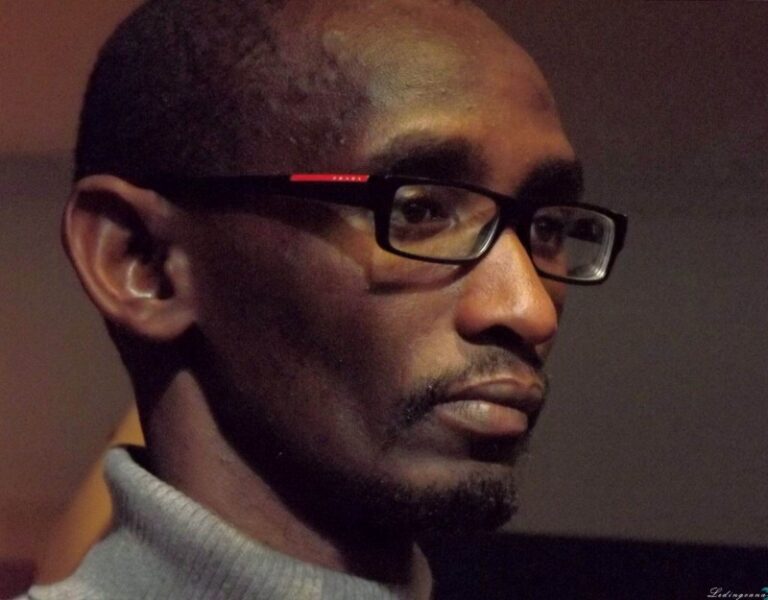
By Mphutlane wa Bofelo
One of the points of divergence between Marxist Humanism and Marxist-Leninism is that while the former views Marxism as a philosophy aimed at overcoming alienation and enabling human potential, agency, and freedom, the latter treats it as a science of power, industrialization, and rapid transformation of the economic base- history understood as a strictly material, class-driven process.
Is politics best understood as science, philosophy, or art? The question may seem abstract, but the answer has profound implications for how societies govern themselves and how leaders conduct their affairs. To frame politics in one way rather than another is not merely an intellectual exercise; it shapes the moral fabric of governance, the priorities of policy, and the expectations of citizens.
Politics as Science makes governance a matter of observation, evidence, and rational models. Policies are designed to be testable, measurable, and efficient. This technocratic approach promises reliability and predictability, offering the hope that human behavior can be explained and managed through data. Yet the danger of a purely scientific lens is reductionism.
Human beings are not simply rational actors; they are creatures of values, emotions, and identities. A politics that prizes convenience and efficiency above all else risks alienating communities whose sense of belonging is rooted in meaning and transcendence. It may achieve stability, but at the cost of legitimacy and dignity.
Politics as philosophy insists that governance is a moral project. It asks fundamental questions about justice, freedom, and human worth. Leaders who adopt this lens emphasize ethics, agency, and dialogue, resisting dogma in favor of multiplicity and transcendence. Decisions are not only about efficiency but about fairness and dignity. Citizens are not merely managed but respected as agents of their own destiny. The danger, of course, is abstraction—endless debate without decisive action. Yet philosophy elevates politics beyond power struggles, reminding us that governance is ultimately about human flourishing.
Politics as art highlights creativity, persuasion, and performance. It is the realm of rhetoric, negotiation, and spectacle. Leaders who see politics as art often excel in brinkmanship and image-making, mastering the techniques of influence. This can inspire and mobilize, but it can also devolve into manipulation and theatrics. When politics becomes a game of style over substance, citizens risk being dazzled rather than served. Yet art also allows for innovation, for the crafting of new possibilities that science and philosophy alone may not envision.
The truth is that politics cannot be confined to any single category. It is science when it seeks evidence, philosophy when it asks about justice, and art when it requires imagination. To emphasize one at the expense of the others is to distort the political project. A purely scientific politics risks technocracy; a purely philosophical politics risks paralysis; a purely artistic politics risks vanity. The richest politics integrates all three – grounded in evidence, guided by ethics, and animated by creativity.
Politics is the collective attempt to live together meaningfully. It is not only about what works, but about what is right and what inspires. To reduce politics to science alone is to strip it of soul; to reduce it to philosophy alone is to risk indecision; to reduce it to art alone is to risk spectacle. The challenge of our time is to weave these strands together into a politics that honors both the measurable and the immeasurable dimensions of human life. Only then can politics serve not merely as management or performance, but as the shared pursuit of justice, dignity, and possibility.
*Dr Mphutlane wa Bofelo is a political theorist, social critic, and governance and political science scholar with an interest and experience in transformative education, training, and development practices.
