
When commentators describe figures like Jacob Zuma or Julius Malema as brilliant politicians, the reaction is often disbelief. To many, the word brilliance seems misplaced. Yet in politics, brilliance is not about wisdom or morality. It is about craft.
It is the art of maneuvering, brinkmanship, and seizing the moment with rhetoric tailored to the audience. But political intelligence is only one dimension of leadership. To understand what makes a truly complete leader, we must distinguish between political, philosophical, ethical, ideological, emotional, and spiritual intelligence.
*Political intelligence knows how to win. It is the craft of navigating power, reading informal networks, and persuading audiences with tactical precision. Leaders who possess it can bend structures to their will, often without formal authority. Yet knowing how to win is not enough.
*Ethical intelligence asks whether one should win. It is conscience in action, guiding leaders to choose fairness and integrity even when the easier path tempts. Ethical intelligence demands accountability, empathy, and the courage to uphold long-term values over short-term gain.
*Philosophical intelligence deepens this reflection by asking what “good” means. It challenges assumptions, interrogates beliefs, and seeks clarity on abstract questions of truth and existence. It invites leaders to pause, reflect, and ground their decisions in deeper meaning.
*Ideological intelligence then defines what we stand for. It articulates vision, frames struggles in terms of values and identity, and mobilizes people around shared ideals. Without ideology, politics risks becoming empty maneuvering, stripped of purpose and direction.
*Emotional intelligence ensures we carry others with us. It is the ability to connect, regulate, and respond to emotions both our own and those of others. Leaders with emotional intelligence inspire trust, build resilience, and defuse conflict with empathy, binding leadership to follower-ship.
*Finally, spiritual intelligence reminds us why it matters at all. It draws meaning beyond material success, cultivating humility, compassion, and interconnectedness. Spiritual intelligence grounds leadership in something larger than ego, ensuring that power serves purpose rather than hollow ambition.
Taken together, these six dimensions reveal the full spectrum of leadership.
The most complete leaders integrate them all: using philosophical intelligence to define their values, ethical intelligence to uphold integrity, ideological intelligence to inspire collective purpose, emotional intelligence to connect with people, spiritual intelligence to stay grounded, and political intelligence to make those values a reality.
Without this balance, politics becomes a game of winning at all costs-a game that may crown “brilliant” politicians but rarely produces wise, just, or enduring leaders.
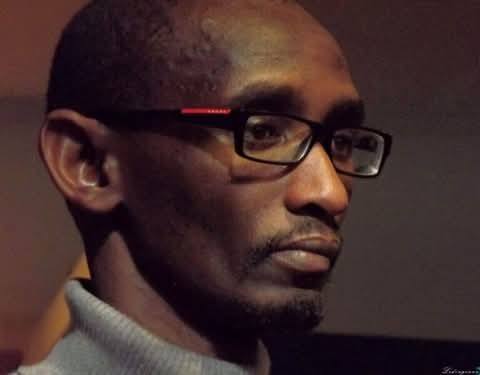
-Dr Mphutlane wa Bofelo is a political theorist, social critic, and governance and political science scholar with an interest and experience in transformative education, training, and development practices.
